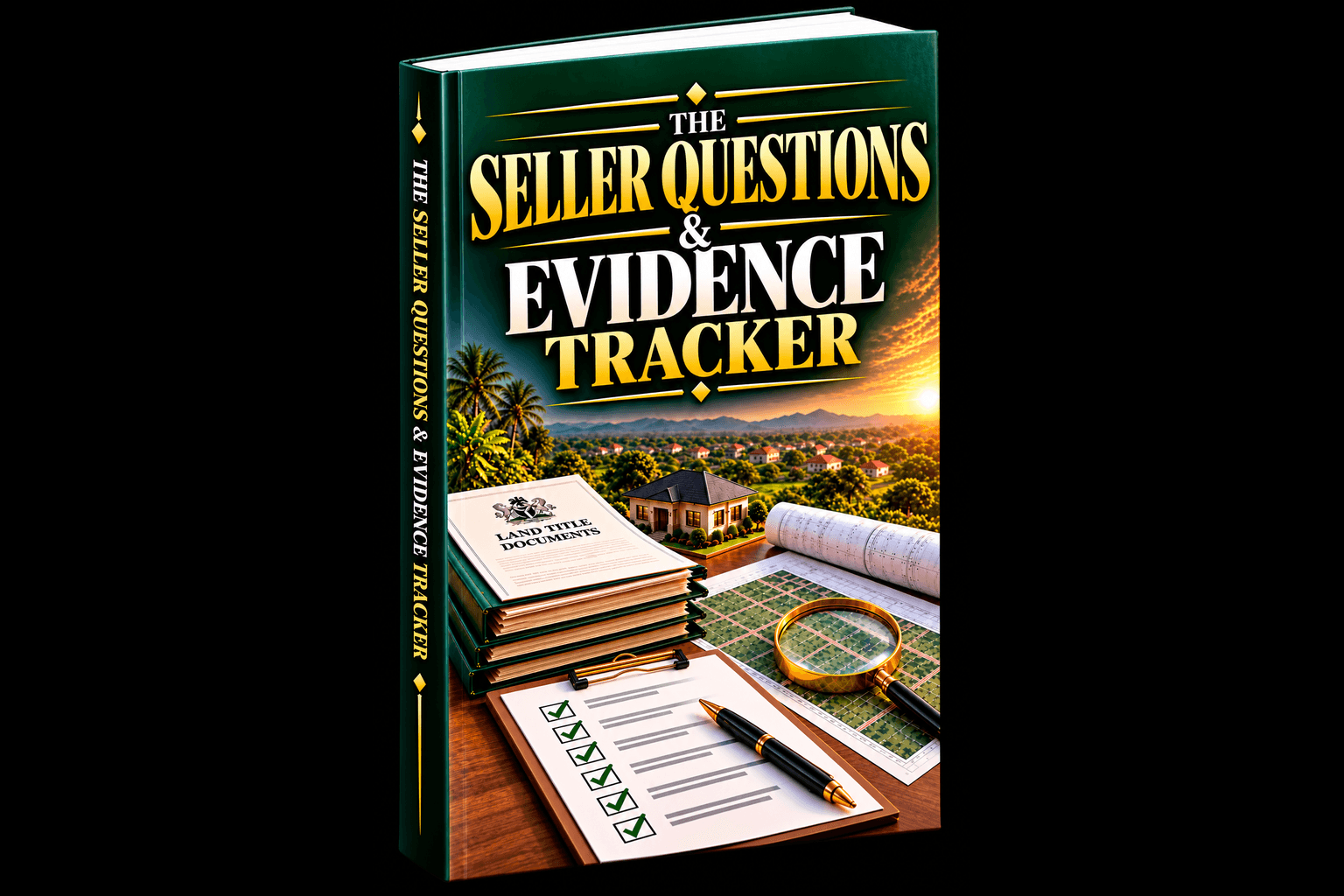
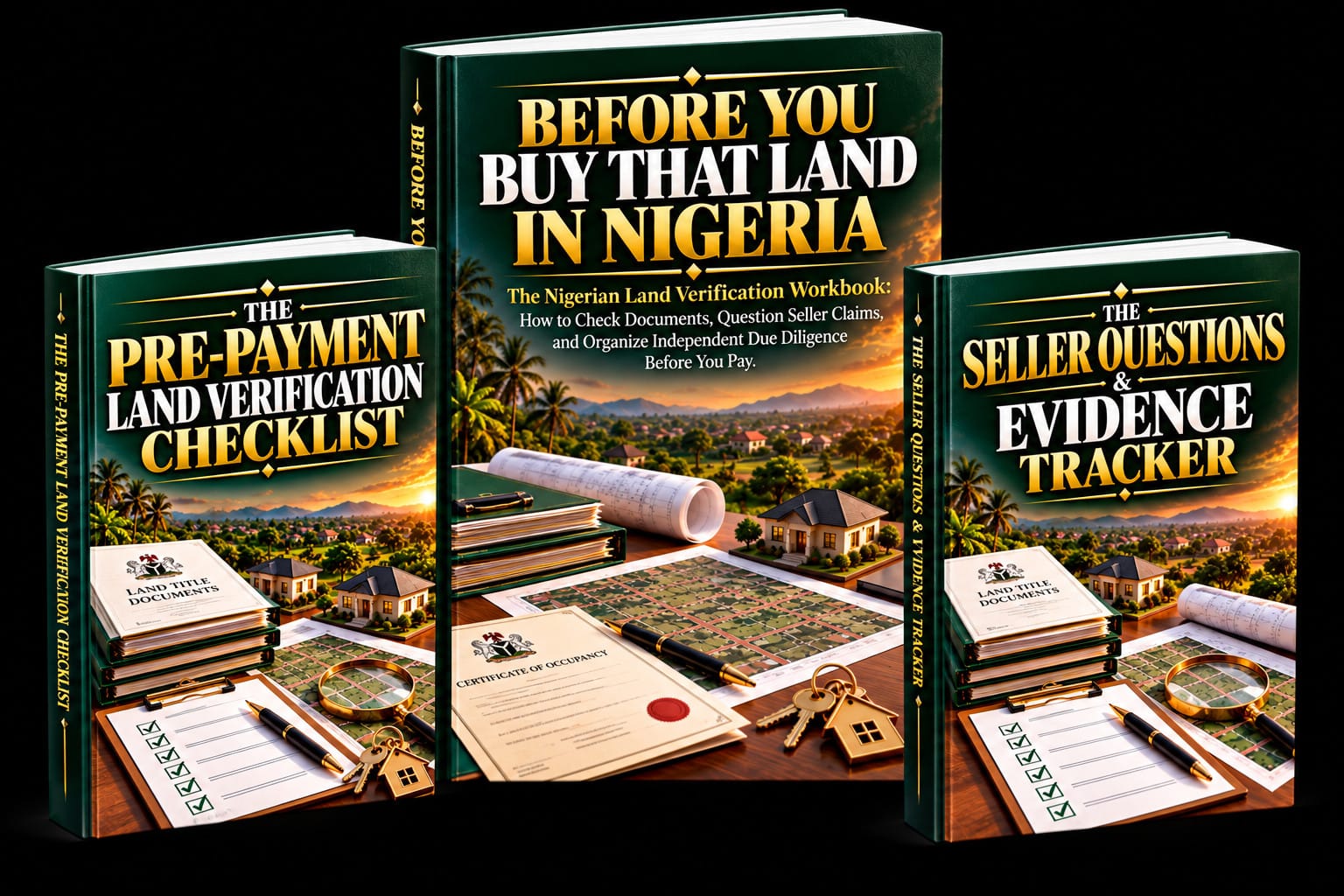
I understand why buying land can feel like a major milestone. For many people, it represents years of effort, a connection to home, and the hope of building something lasting.
But a decision with that much meaning deserves more than a rushed conversation and a folder of documents whose contents nobody has independently examined.
The challenge is that information about land transactions can be scattered. You may receive one document from a seller, another from an agent, an explanation from a relative, and a different opinion from someone who bought land in another part of the country.
Some of that advice may be useful. Some may not apply to the property you are considering. A process that worked for one buyer, in one state, under one set of circumstances, is not proof that the same steps are sufficient for another transaction.
And when you are buying from abroad, it can be difficult to keep every detail organized. A seller may answer one question on Monday and provide a document several days later. A surveyor may need additional information. A lawyer may raise a question that you had not thought to ask.
Without a central record, it becomes easy to forget which document was received, who supplied it, whether an independent check was requested, and what still needs an answer.
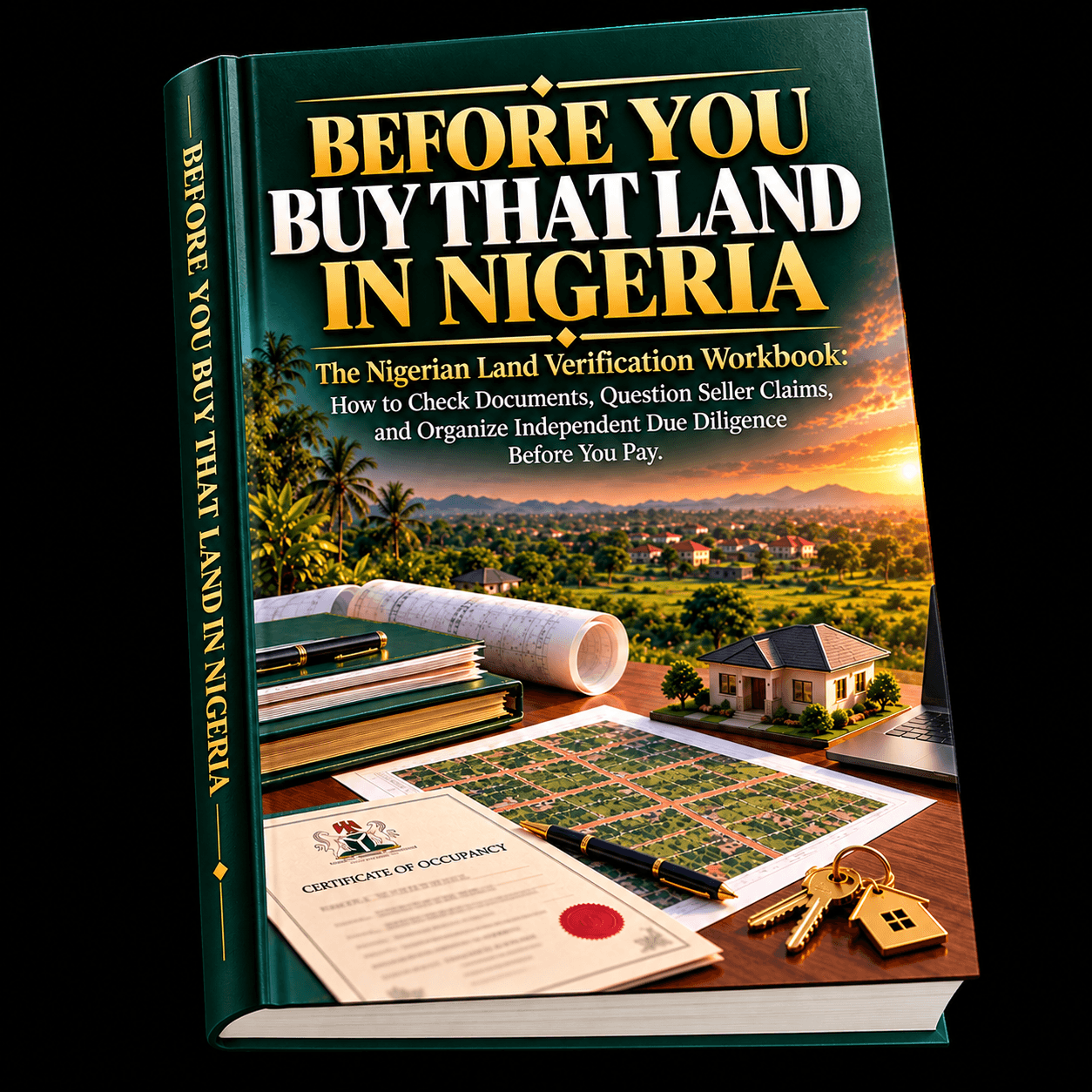
That is the practical problem this workbook is intended to address. It is not a story about a secret trick or a single document that solves every land issue. It is about putting the preparation process in one place.
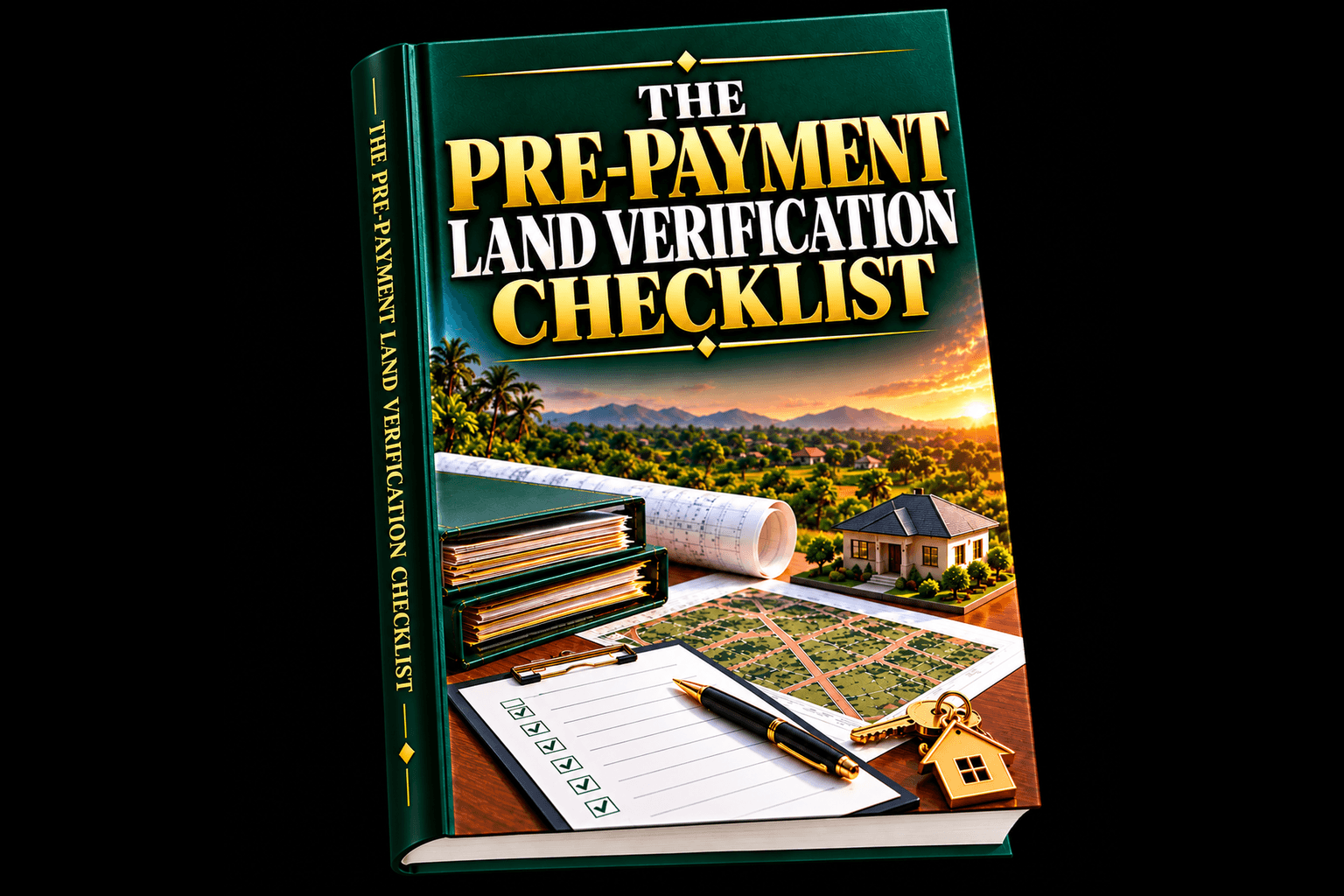
The workbook organizes the work into manageable stages: identify the property and seller, request relevant documents, list the claims that need checking, prepare questions for qualified professionals, record evidence, and review unresolved issues before deciding what to do next.
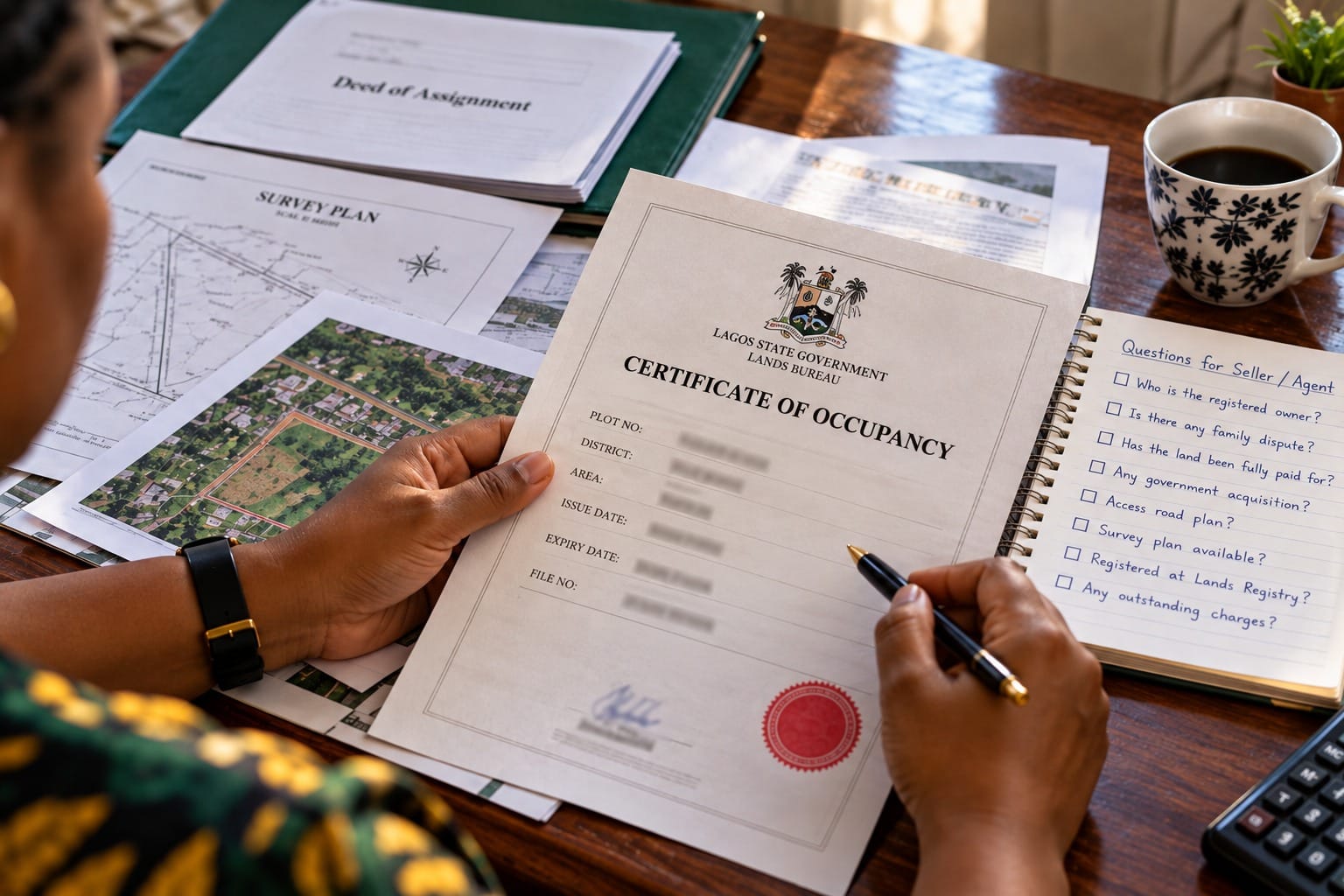
The point is not to make every transaction frightening. It is to replace vague worry with specific questions that can be investigated.
Instead of wondering whether a seller's claim is correct, you can write down the claim and identify what evidence or independent confirmation is needed.
Instead of relying on memory, you can record the document requested, the date it was received, the person or authority who needs to review it, and the status of the check.
Instead of feeling that you must either pay immediately or abandon the opportunity, you can identify what remains unresolved and discuss the next step with a qualified professional.
This is not a substitute for independent legal advice, a survey, an official search, or other checks required for the particular land and location. It is a tool for helping you prepare for those conversations and keep the process organized.
There is no responsible way to guarantee that every land purchase will be free of problems. Documents can require interpretation, records can be incomplete, and facts may need to be confirmed by the relevant authorities and professionals.
What you can do is approach the decision with better preparation. You can avoid treating a seller's confidence as evidence. You can give yourself time to ask questions. You can keep track of the work that has been completed and the questions that remain unanswered.
That is the thinking behind this workbook. It is designed for people who want a practical structure before committing money to land in Nigeria, whether they live in Nigeria or are managing the process from another country.
If this reflects the challenge you are facing, the next step is to see how the workbook is organized and decide whether it fits your needs.